


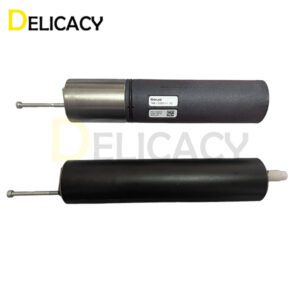

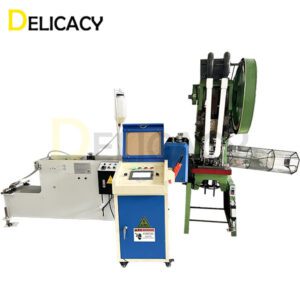


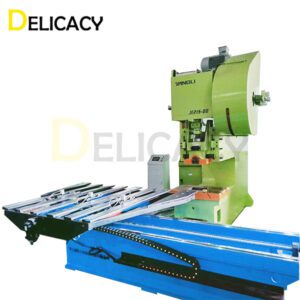
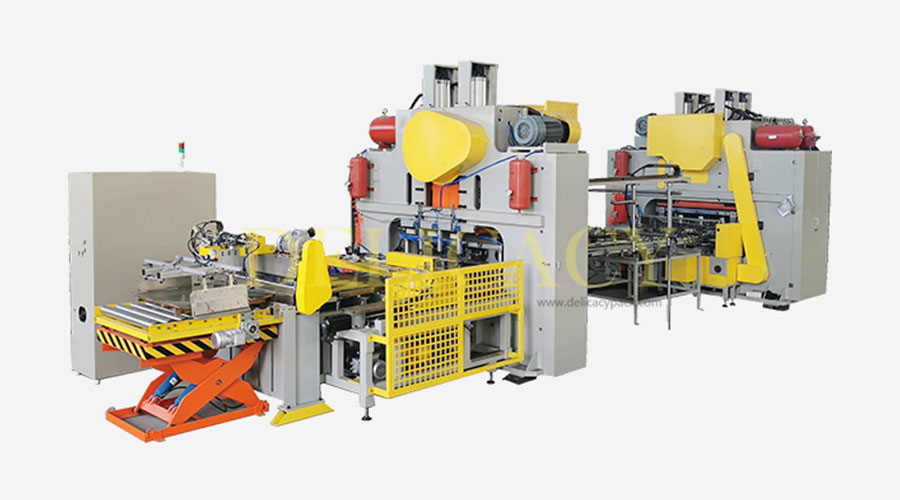
A Tin Can Making Machine is an automated production line for manufacturing three-piece tinplate cans. It typically performs key processes such as cutting, rolling, welding, flanging, and sealing. The core components include a body maker, seamer, and welding system. Designed for high efficiency, precision, and durability, it is widely used in the food, beverage, chemical, and packaging industries to produce various sizes of cans for storage and transportation.
I. Common Problems & Solutions
- Poor Body Formation
- Symptoms: Irregular can shape, uneven seams, dimensional inaccuracies.
- Possible Causes: Worn or misaligned dies, incorrect feed settings, unstable air/hydraulic pressure.
- Solutions: Inspect and adjust/replace dies, calibrate the feeding mechanism, check and stabilize pressure system settings.
- Weak Seam or Weld
- Symptoms: Leaking side seam, insecure end (lid/bottom) double seam.
- Possible Causes: Incorrect welding current/temperature for side seam, contaminated welding wheels, improper seamer roll settings for ends, excessive coating on metal sheet.
- Solutions: Clean welding wheels and seamer chucks, recalibrate welding and seaming parameters, inspect material quality.
- Feeding Jams or Misalignment
- Symptoms: Sheet metal not feeding smoothly, misfeeds, inaccurate positioning.
- Possible Causes: Worn/loose feed rollers, debris on guides or rails, faulty sensor or photoelectric eye.
- Solutions: Clean all feeding pathways and guides, check and calibrate sensors, tighten loose components.
- Abnormal Noise or Vibration
- Possible Causes: Loose bolts or fasteners, worn bearings, unbalanced rotating parts, lack of lubrication in drive components.
- Solutions: Stop machine immediately. Inspect and tighten all fasteners, check bearings and gears, lubricate as per manual.
- Electrical/Control System Faults
- Symptoms: PLC alarms, motor overheating, uncommanded stops.
- Solutions: Check main power supply and voltage stability, ensure cooling fans are working, reset PLC controller, inspect wiring connections for damage.
II. Daily & Routine Maintenance
A. Daily Maintenance
- Cleaning: Shut down and clean metal scraps, dust, and oil residue from machine surfaces, dies, and work areas using brushes and air guns.
- Lubrication: Apply specified lubricants to guide rails, bearings, chains, and other daily lubrication points (refer to machine manual).
- Inspection: Verify stable air pressure (e.g., 0.6-0.8 MPa). Test emergency stops and safety guards for proper function.
- Logging: Record any minor issues or performance deviations for trend analysis.
B. Weekly/Monthly Maintenance
- Calibration & Tightening: Check and tighten critical bolts (die mounts, shaft couplings). Calibrate feeding and transfer mechanisms for accuracy.
- Wear Part Inspection: Examine cutting tools, forming dies, welding wheels, and seamer rolls for wear. Plan for replacement based on condition.
- System Checks: Drain moisture from air compressor filters. Check hydraulic oil levels and for contamination.
C. Periodic Maintenance (Semi-Annual/Annual)
- Comprehensive Inspection: Have a specialist inspect servo motors, drive systems, and major mechanical components for alignment and wear.
- Fluid & Filter Changes: Replace hydraulic oil, gearbox oil, and air filters according to the manufacturer’s schedule.
III. Safety Notes
- Lock Out, Tag Out (LOTO): Always disconnect power and air supply before any maintenance. Use lockout devices and warning tags.
- Personal Protective Equipment (PPE): Wear safety glasses, gloves, and appropriate clothing when operating or maintaining the machine.
- Expert Repair: For complex mechanical or control system issues, consult the manufacturer or certified technicians.